Key takeaways
- Favor warehouses that post their rates; it makes comparing quotes honest.
- Read the onboarding, insurance and prohibited-product terms before you sign, not after a problem.
- Ask which carriers pick up, which days, and what happens when orders spike.
- Visit if you can. A short walk through the floor tells you more than a sales call.
Why it pays to slow down
Moving inventory into a warehouse is easy. Moving it back out because the fit was wrong costs freight, handling and usually a few weeks of messed-up shipping. So if you're figuring out how to choose a 3PL, the best time to be picky is before a single pallet leaves your supplier.
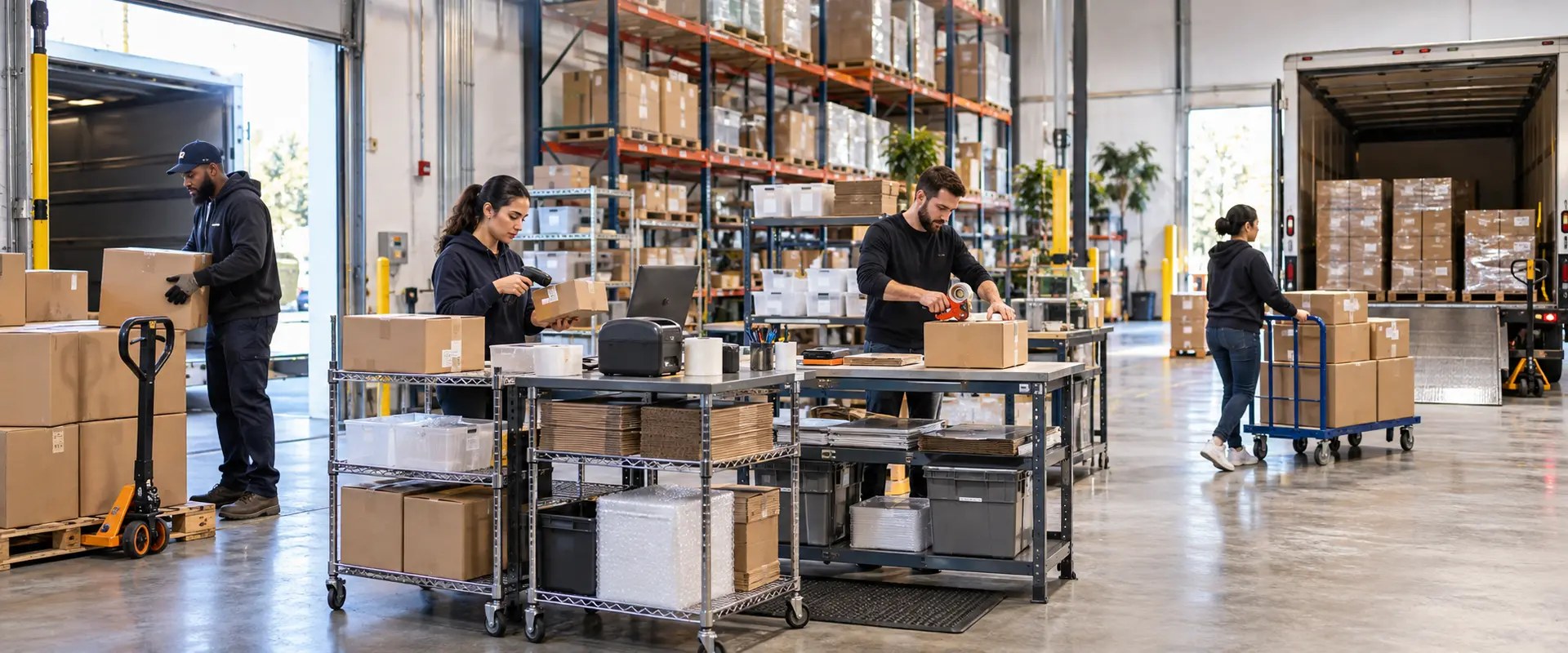
We run a prep and fulfillment warehouse in Niles, Illinois, so yes, we're a 3PL ourselves. That's exactly why we'll try to keep this fair. Some of these points will make us look good, and some will tell you to ask us hard questions too. Good. You should.
Start with what you actually need
Before you compare anyone, write down your own profile. A warehouse that's perfect for a 50-pallet wholesale account can be a poor match for 300 small parcel orders a day, and the other way around.
- Channels: Amazon FBA prep, direct-to-consumer orders, marketplace orders, wholesale, or a mix.
- Volume: units in, orders out, and how much that swings by season.
- Product: size, weight, fragility, anything with liquids or expiration dates.
- Extras: kitting, returns, inspection, photos, palletizing.
Bring that list to every conversation. It keeps the sales pitch anchored to your real situation, and honestly, half of knowing how to choose a 3PL is knowing your own numbers well enough to spot a bad fit in the first ten minutes.
How to choose a 3PL: the checklist
Here's the 3PL checklist we'd run through, roughly in order of how much pain each one saves.
1. Can you see the pricing?
Some warehouses only quote after a call. Others post rates. Posted pricing isn't automatically cheaper, but it lets you build your own estimate and catch surprises. Look at receiving, storage, pick and pack, materials, and the small stuff (labels, inserts, photos) that adds up. Our own rates are on the pricing page, and our post on what a 3PL charges walks through how a full bill comes together.
Also ask about payment terms. Ours are spelled out: an unpaid balance means orders don't ship the following week, and a 5% late fee applies after one full week unpaid. Whatever a warehouse's terms are, you want them in writing up front.
2. Are the onboarding rules clear?
A serious warehouse will want to know who you are. We ask for accurate U.S. company details (legal name, business address, EIN or registration, an authorized U.S.-based signer and a valid photo ID) and we don't accept inventory until onboarding is approved and inbound instructions are confirmed. If a 3PL will take anything from anyone with no paperwork, think about who else is sharing that building with your stock.
3. What does insurance really cover?
"We're insured" is not an answer. Ask for the coverage amount, what's excluded and how claims work. For example, we carry up to $5 million in coverage for qualifying warehouse operations, but it's subject to policy terms, limits, exclusions and claim eligibility, and it isn't automatic. That level of detail is what you should expect from anyone. Also ask what the warehouse is not responsible for (carrier damage and delays are common exclusions).
4. Will they accept your products?
Every warehouse has a prohibited list. Ours excludes hazardous materials, canned soda, counterfeit or unsafe goods, and certain supplements, and liquids over 2 lb need written approval first. Find out before you ship, not when the pallet is sitting at the dock.
5. Which carriers pick up, and when?
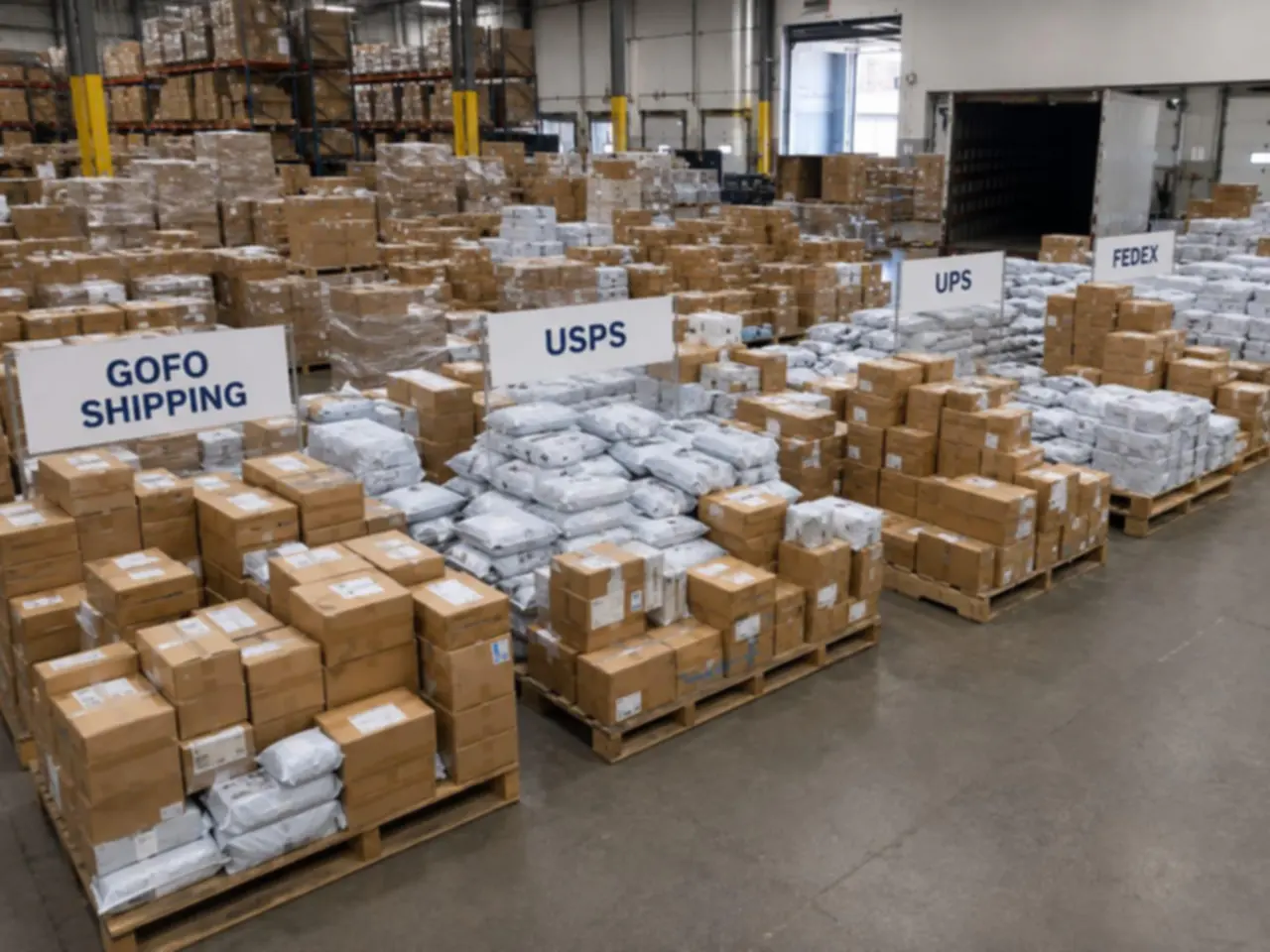
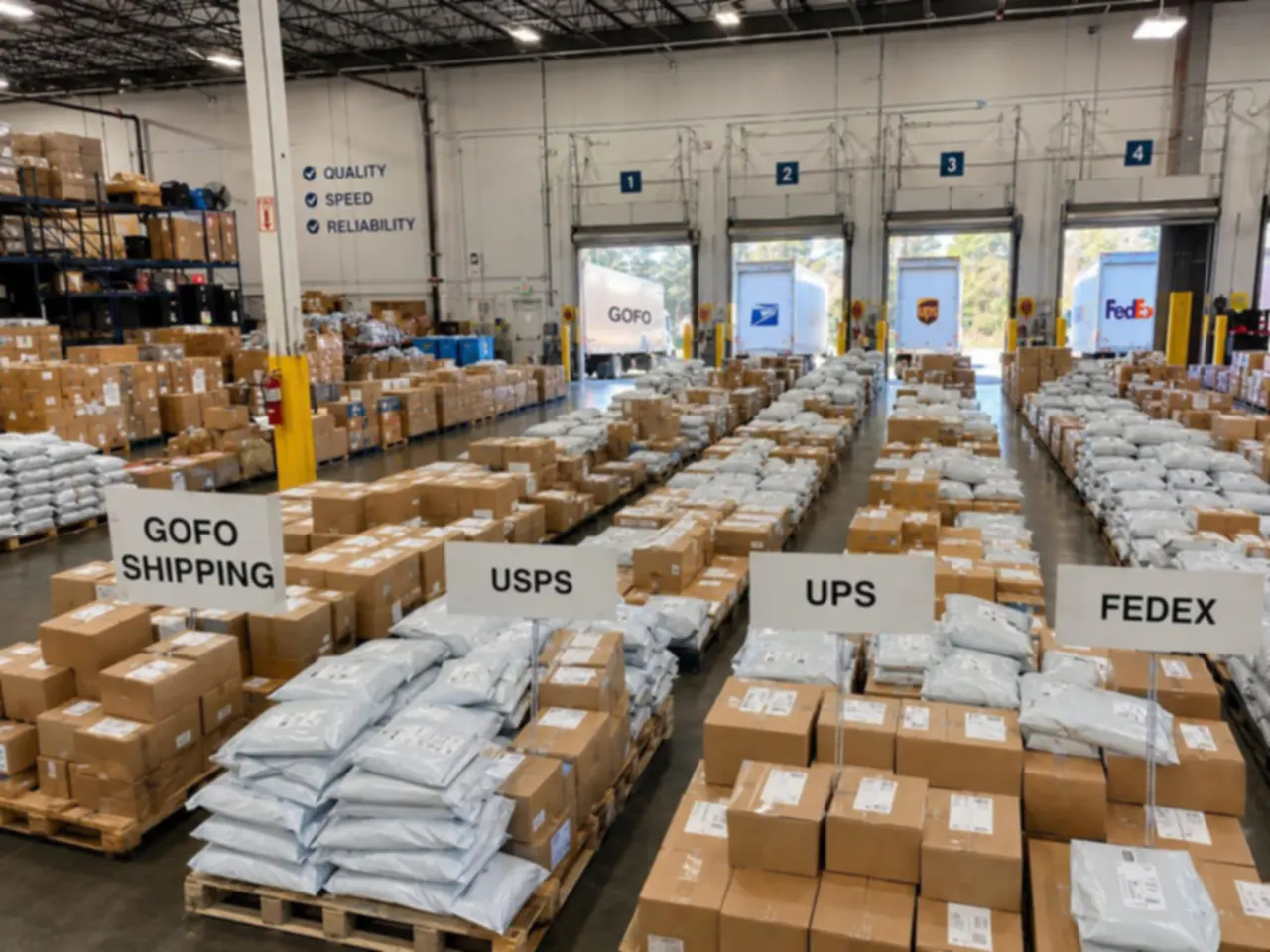
Ask which carriers come to the building and on what days. Our scheduled pickups run Monday through Saturday for GOFO, UPS, USPS and FedEx. Also ask about cutoff times and what "same-day" really means for your order profile.
6. How do you communicate?
Who answers when something goes wrong? Is it a person you can reach by phone, email or WhatsApp, or a ticket queue? Ask how orders and instructions get handed off, too. Don't assume an app integration exists; ask how it actually works.
Questions to ask a 3PL before you sign
Use these on a call. The answers (and how quickly you get them) say a lot.
- What does a typical month cost for a seller with my volume?
- What happens to my inventory if I stop paying, or if I want to leave?
- How do you handle receiving problems like missing labels, mixed SKUs or damaged freight?
- How do you charge for storage on slow-moving or aged stock?
- Can you show me your work order or instruction process?
- What's your plan when orders double for a week?
Vague answers aren't always a red flag. Sometimes the real answer is "it depends on your products." But you should come away knowing what it depends on.
Location matters more than people think
Where the warehouse sits affects transit times to your customers, how much inbound freight costs from your suppliers, and whether you can visit. A central spot like the Chicago area can be a good base for Midwest distribution and for routing inventory onward.
Being close enough to drive over is underrated, too. When something odd happens with a shipment, seeing it in person beats a dozen emails.
Visit if you can
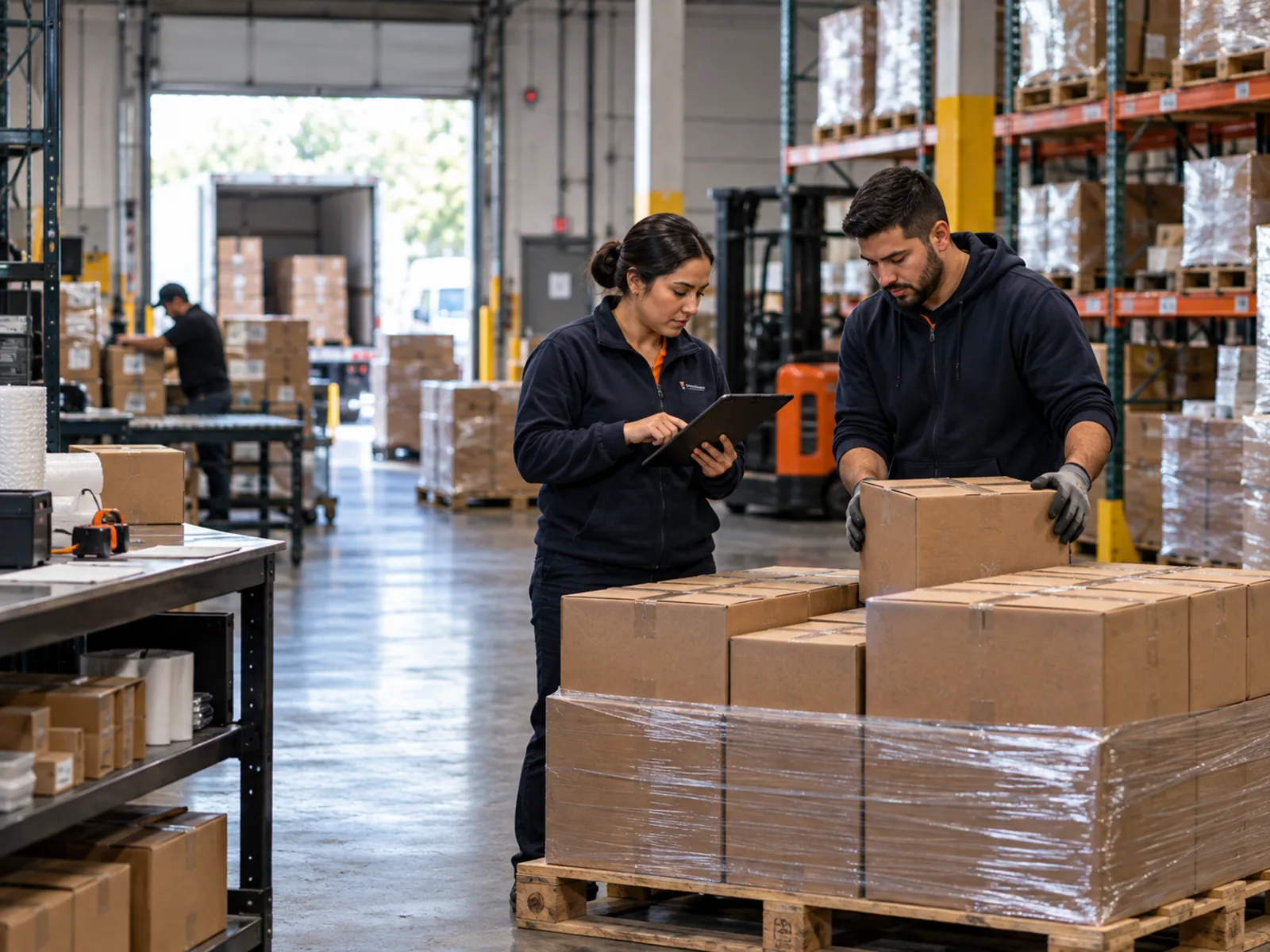
A walk-through tells you things no sales deck will. Is the floor organized? Are pallets labeled? Are outbound orders sorted by carrier, or piled up? Does the team know what they're doing when you ask a specific question?
If you're choosing a fulfillment partner in the Chicago area, ask us about a visit too. We're at 5673 W Howard St in Niles, IL, open Monday to Saturday, 10 AM to 4 PM Central. Call ahead first so we can plan around the day's work.
Putting it together
There's no perfect 3PL, just one that fits your products, volume and tolerance for risk. That's really the whole answer to how to choose a 3PL: match the warehouse to the work, then check the paperwork. Narrow it to two or three, run your real numbers through each one's pricing, and read the terms. Then pick the one that answered your questions clearly, especially the uncomfortable ones.
If you want to see what we cover, our services overview lists everything from FBA prep to storage and returns.