Key takeaways
- A prep center is a third-party warehouse that receives your inventory, labels and packs it, and ships it into Amazon's fulfillment network for you.
- Typical work: receiving, inspection, FNSKU labels, poly bags, bubble wrap, bundles, case packs and pallets.
- Sellers usually switch once prep starts eating the hours they should spend sourcing, or when supplier cartons keep showing up messy.
- Amazon sets the prep rules and they change, so you still own your listings and shipping plans.
What is an FBA prep center, in plain terms?
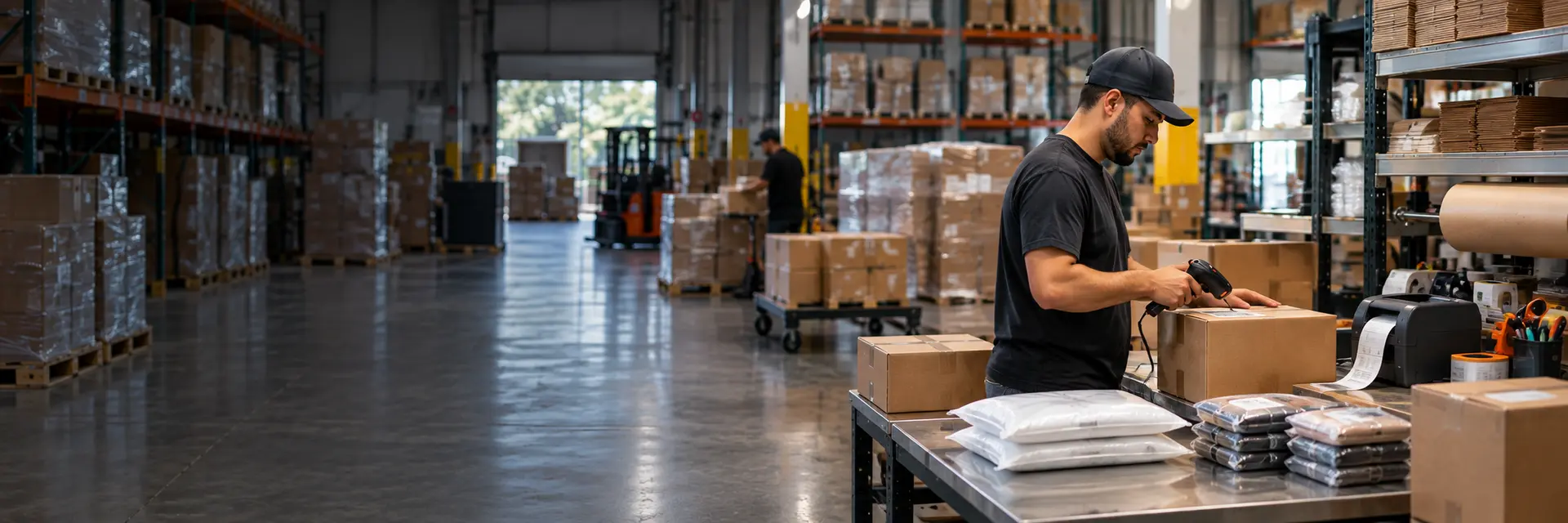
An FBA prep center is a warehouse that sits between your supplier and Amazon. Your product ships there first. The team receives it, checks it, puts the right labels on, bags or wraps anything that needs protecting, packs the cartons and sends the whole shipment into Amazon's fulfillment centers. You never touch a box.
That's the short version. The longer version is what this post is for, because "prep center" gets used loosely, and sellers often don't know which parts of the job they're paying for until the invoice shows up.
We run one in Niles, Illinois, just outside Chicago, so we'll use our own floor as the example. Other shops work a little differently. The basic idea is the same everywhere.
So, what is FBA prep, exactly?
Amazon doesn't accept inventory in whatever condition your supplier ships it. Units usually need a scannable barcode Amazon can track (most sellers use the FNSKU label from Seller Central), and some products need extra packaging so they survive the trip and the shelf. That getting-ready work is FBA prep.
Here's what it usually covers:
- Counting inventory in and checking it against what the supplier said they sent
- Applying FNSKU labels over the manufacturer barcode (or wherever your listing needs them)
- Poly bagging loose, fabric or dusty items
- Bubble wrapping glass, sharp edges and anything fragile
- Bundling items that sell as a set, so they arrive as one sellable unit
- Packing cartons, labeling them, and building pallets for bigger shipments
Which of those your product needs depends on the item and on Amazon's current packaging guidance. We wrote a separate breakdown of Amazon FBA prep requirements if you want the concepts in more detail. For the actual rules, Seller Central's help pages are the source. They get updated, and nobody outside Amazon controls that.
What happens inside an Amazon prep center, step by step
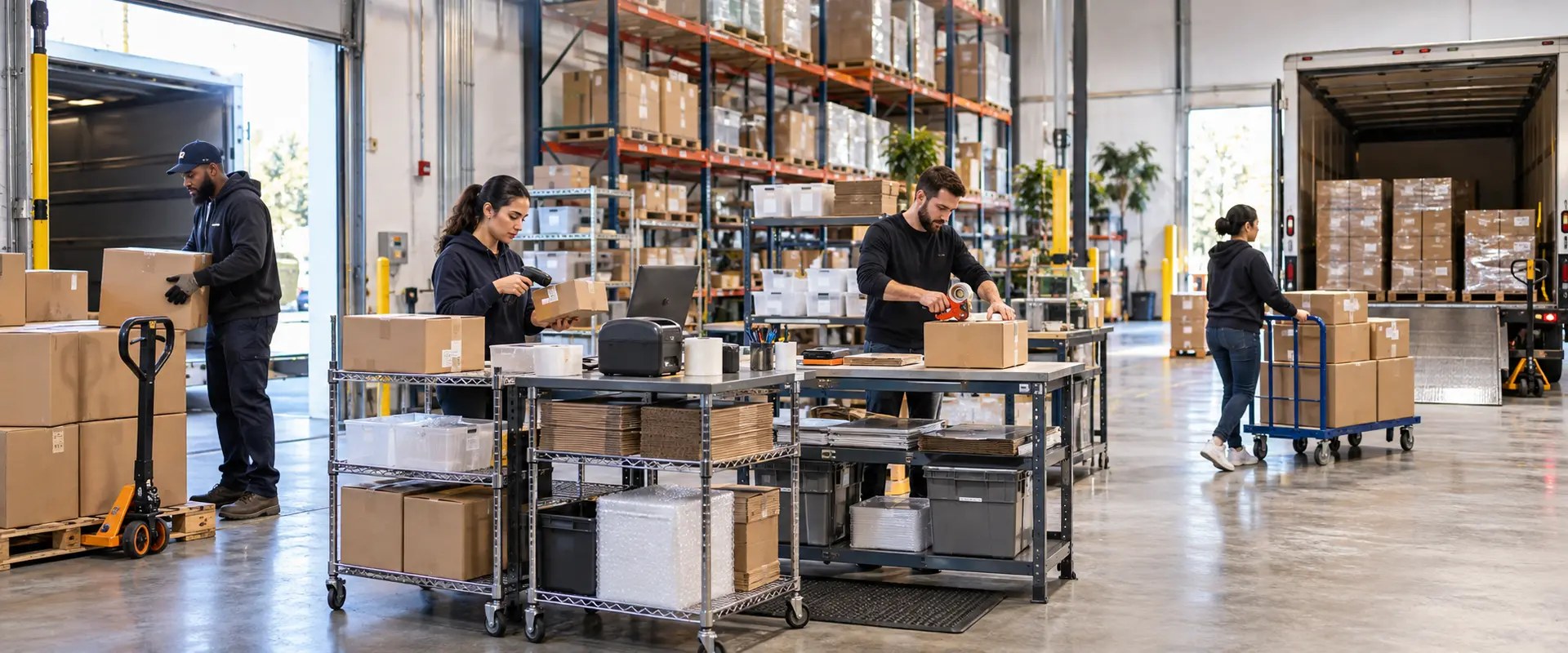
From the seller's side it looks simple. From the warehouse side, a single shipment gets handled a lot. Here's the order things happen in on our floor.
- 01
You share the details
Products, quantities, whether it's wholesale or arbitrage, and what packaging you think it needs. Unsure? Say so. We'd rather ask now than guess later.
- 02
The work order gets confirmed
Labels, bagging, carton setup, pallet or small parcel, and the destination are all agreed before your supplier ships anything.
- 03
Inventory arrives and gets received
Boxes or pallets come in, get counted and checked for obvious damage. Short counts and crushed cartons get flagged before work starts.
- 04
Prep, pack and dispatch
Units get labeled and packed per the work order, cartons get built and labeled, and the shipment goes out to Amazon on your plan.
If you've never sent inventory to a third party before, we walked through the whole handoff in how to send inventory to a prep center. Packing lists and inbound instructions matter more than people think.
Prep center services beyond labeling
Labels and bags are the core job. But most prep centers offer more than that, because sellers don't only send clean factory cartons.
Inspection
Basic inspection usually comes with the per-unit prep rate. Deeper checks (grading, defect checklists, measurements) cost extra. Worth it when you're buying from a new supplier and don't fully trust the first run yet.
Kitting and bundles
Two-packs, gift sets, "buy the shampoo, get the conditioner." Those get assembled before the label goes on.
Storage and forwarding
Some sellers keep overflow stock at the prep center and send it to Amazon in smaller waves. Others just need boxes forwarded. Depends on how much you trust your sell-through forecast (honestly, most people don't).
Merchant-fulfilled orders
A lot of prep centers also pick and pack individual orders for sellers who ship some products themselves. That's a different workflow, and there's a whole FBA vs FBM question behind it.
You can see how all of these fit together on our marketplace prep services page.
Who actually uses one?
Three kinds of sellers, mostly.
Private-label brands shipping repeat orders from a factory. They care about consistency more than anything: same label, same spot, same carton setup, every time.
Wholesale sellers buying from U.S. distributors. Their loads are clean, and they mostly want fast turnaround so listings don't go out of stock.
Arbitrage sellers. Online arbitrage loads come from a dozen retailers in random packaging. Retail arbitrage loads come covered in clearance stickers. Messier work, which is why it costs more per unit pretty much everywhere.
And then there's the seller who is still prepping at home and wondering if it's time. Which brings us to the next part.
Signs you've outgrown prepping at home
No magic unit count here. But these come up again and again when sellers first call us:
- You spend more hours labeling than sourcing
- Your garage, spare room or dining table is full of cartons most weeks
- Amazon has flagged a shipment for a labeling or packaging problem
- Supplier shipments arrive while you're traveling, and they just sit there
- You want to send more often, but every round costs you a weekend
Two or more of those? It's probably worth getting a quote and doing the math. Speaking of math: prep is priced per unit, and the rate depends a lot on what you sell. We broke that down in how much an FBA prep center costs, using our real posted rates.
How our FBA prep center in Niles works
Quick specifics, since we've been talking in general terms. Treasure World Prep Center is at 5673 W Howard St in Niles, IL. Wholesale and private-label prep starts at $0.70 a unit for 20 to 500 units, with receiving and basic inspection included. Online arbitrage starts at $1.50 a unit and retail arbitrage is $1.75. FNSKU labels are $0.35 to $0.40 a unit (you send them to us digitally).
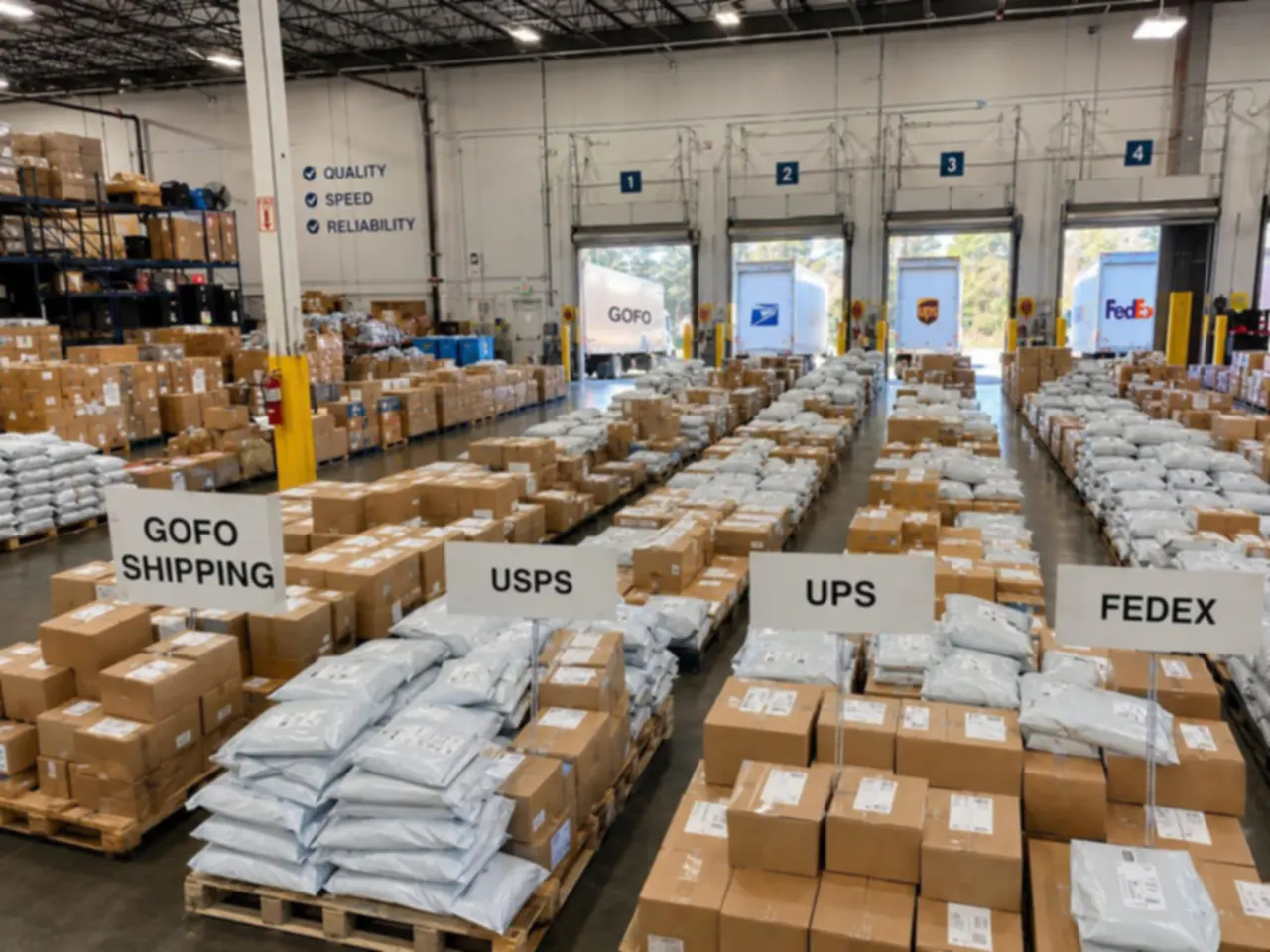
24-hour FBA prep is available for qualifying work orders, and the building handles approximately 1,000+ parcels a day. The full details live on our Amazon FBA prep page, and every rate is on the pricing page.
One honest caveat. A prep center follows your work order and Amazon's requirements as you share them. You're still responsible for your listings and your shipping plans being right. A good prep team will flag things that look off. They can't fix a wrong ASIN they were never told about.