Warehouse storage in Chicago that bends with your inventory
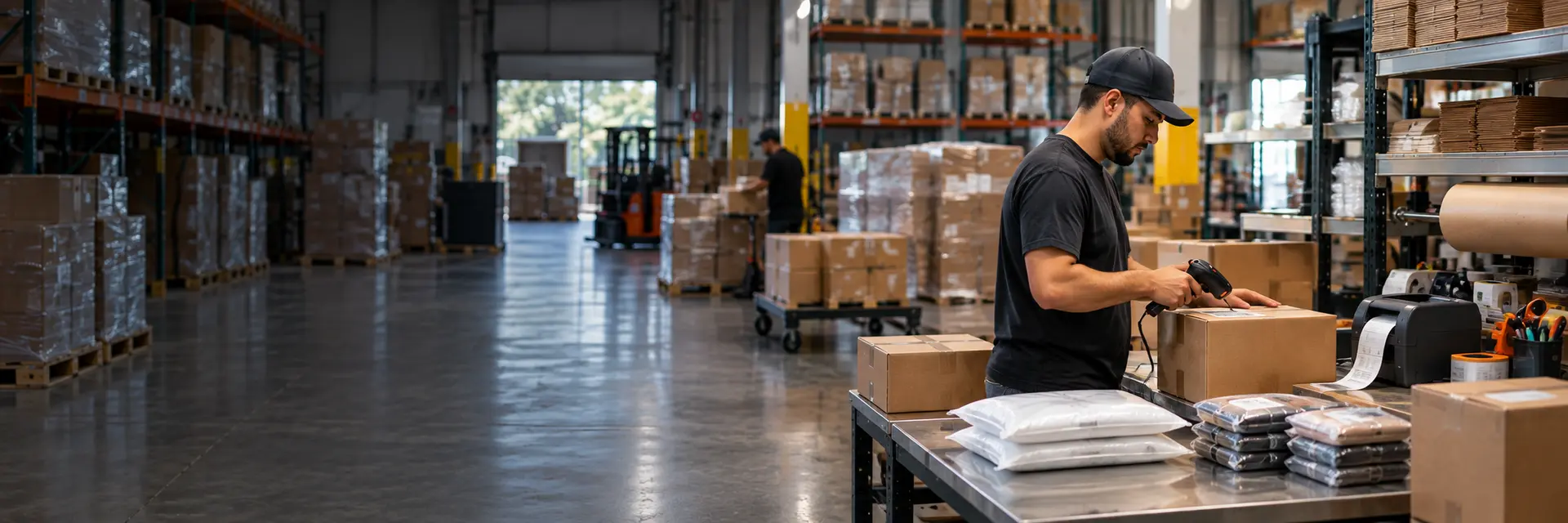
Inventory has a habit of showing up all at once and selling a little at a time. That's the whole reason warehouse storage in Chicago exists for online sellers. You buy in bulk because the unit price is better, then you need somewhere to keep it that isn't your basement, your office hallway or a marketplace warehouse charging you by the cubic foot every month.
We store inventory at our warehouse in Niles, Illinois, just outside the city. You can store a handful of cartons on a shelf, a row of pallets, an oversized item that doesn't fit either, or container-level storage for importers. Every option has a posted monthly rate, and nothing gets stored until the setup is agreed in a work order.
This page covers the storage options, how pricing works (including aged inventory, which deserves a straight explanation), and how storage fits with the rest of the work we do.
Storage options, from one carton to a 40-foot container
Different inventory needs a different kind of space. So instead of forcing everything onto a pallet, there are a few ways to store with us.
Box and bin storage
For smaller sellers or low-volume SKUs, box and bin storage runs $4-$6 a month per box or bin. The size limit gets confirmed in your quote, because a shoebox and a 24-inch moving carton are not the same thing. This works well for Etsy sellers, small Shopify brands and anyone with lots of SKUs but not many units of each.
Pallet storage
Pallet storage is the workhorse. A standard pallet up to 72 inches tall is $35 a month. If you've got 25 to 99 pallets, the rate drops to $32. At 100 or more, it's $28-$30 a month per pallet.
That 72-inch limit matters, by the way. A pallet that shows up 80 inches tall, or leaning, or with cartons hanging over the edges, doesn't fit a standard position. Tell us your pallet height when you ask for a quote and we'll confirm how it's handled before it ships.
Cubic-foot storage for oversize items
Some things just don't sit nicely on a pallet or in a bin. Furniture pieces, long items, odd-shaped boxes. For those, cubic-foot storage runs $0.55-$0.75 per cubic foot per month, so you pay for the space the item actually takes up.
20 ft and 40 ft container storage
Importing by the container? There's container storage at $600 a month for a 20 ft and $800 a month for a 40 ft. The team confirms the exact setup during the quote, along with how the unload and receiving will work. (Unloading itself is covered on our forwarding and cross-dock page.)
Pallet in, pallet out: handling fees explained
Storage is the monthly rent. Moving inventory in and out is separate, and we'd rather say that plainly than have it show up as a surprise line on your invoice.
For storage-only or freight accounts, pallet inbound and outbound handling is $10 each move. So a pallet that comes in, sits for three months and goes out again costs $10 to receive, the monthly storage while it sits, and $10 to release. Simple math.
Parcel and carton receiving is $1.00 per carton for standard labeled cartons. If inventory arrives messy (no labels, mixed SKUs, missing paperwork), that's handled as problem receiving at hourly labor. Our inbound receiving page goes through all of that, including unit counts and lot or expiry capture.
Aged inventory rates, and why they exist
Okay, the honest part. Inventory that sits for a long time costs more to store with us, and here's how it works:
- Aged inventory, 91-180 days
- 1.25x base storage
- Aged inventory, 181+ days
- 1.50x base storage
So a standard pallet that's been here for four months is billed at 1.25 times its base rate. Past six months, it's 1.5 times.
Why? Rack space is limited. A pallet that hasn't moved since spring is occupying a spot that could hold inventory turning every couple of weeks. Slow stock also tends to get buried behind newer freight, which means more labor to dig it out when you finally need it. The multiplier reflects that real cost.
It also does something useful for you. Nine times out of ten, a pallet sitting for six months is a SKU that isn't selling, and the storage bill is a nudge to make a call on it. Liquidate it, bundle it, send it to a different channel, or ship it back to a vendor. We'd rather you see that cost up front and plan around it than discover it later. The team confirms how inventory age is counted for your account during the quote.
Storage as a buffer for FBA replenishment
This is probably the most common reason sellers store with us.
Marketplace warehouses limit how much you can send and charge more the longer inventory sits there. Many sellers end up keeping the bulk of their stock in a 3PL and sending smaller, more frequent shipments. Inventory storage with us works that way: the bulk stays on pallets in Niles, and every week or two a batch gets pulled, run through Amazon FBA prep and shipped out. Same idea for Walmart WFS prep.
Follow the marketplace's current inbound and storage rules when you plan this. They change, and you're responsible for staying within them. What we control is the physical side: the inventory is here, it's counted, and it can be prepped and out the door when you give the word (24-hour FBA prep is available for qualifying work orders).
The same buffer works for direct orders. Stock sits in storage, a working supply goes on the shelf, and FBM and DTC fulfillment picks from it as orders come in. For wholesale accounts, pallets get released as B2B orders.
How storage gets set up
- 01
Send the inventory details
Product type, number of cartons or pallets, pallet heights, oversize items, and how long you expect it to stay. A rough guess is fine.
- 02
Confirm storage type and the work order
We match each item to box, pallet, cubic-foot or container storage and write down handling and release instructions. Onboarding verification wraps up here.
- 03
Ship it in
Freight arrives and gets received and counted. Damage or mismatches get flagged with photos (the first 3 evidence photos are free, then $1 each).
- 04
Store, then release on request
Inventory stays until you tell us to move it, whether that's to prep, to fulfillment, onto a freight truck or out as parcels.
Who uses 3PL storage with us
A real mix. Amazon private-label brands holding back replenishment. Importers who just landed a container. Wholesale suppliers with retail orders on a schedule. Seasonal sellers who stock up in late summer and sell through the holidays. And plenty of small brands who simply ran out of room at home.
What they tend to have in common is that 3PL storage isn't the goal on its own. It's the waiting room before something else happens. That's why we keep storage, prep and fulfillment under one roof, so nothing needs a second freight trip.
Why store inventory at our Niles warehouse
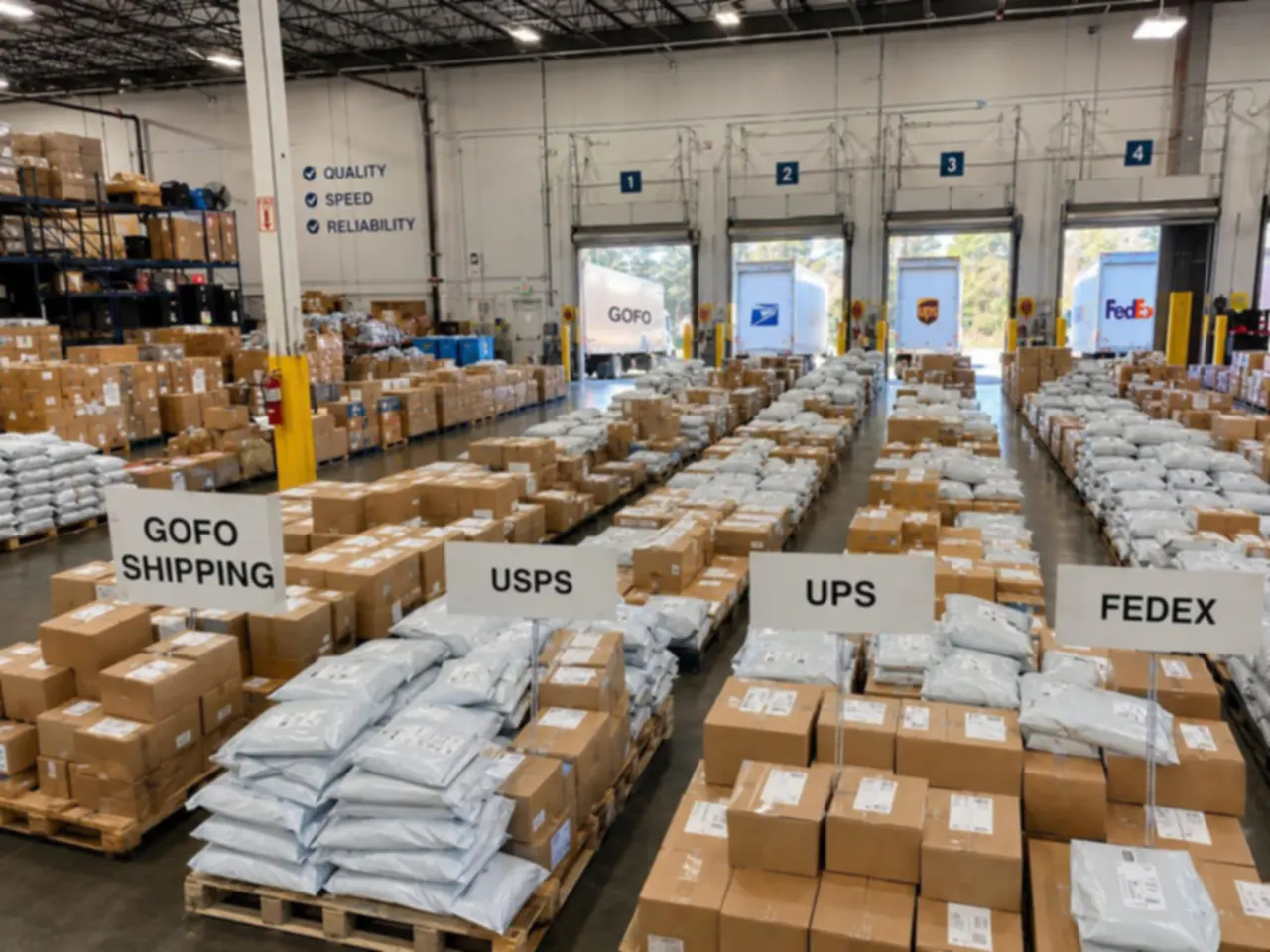
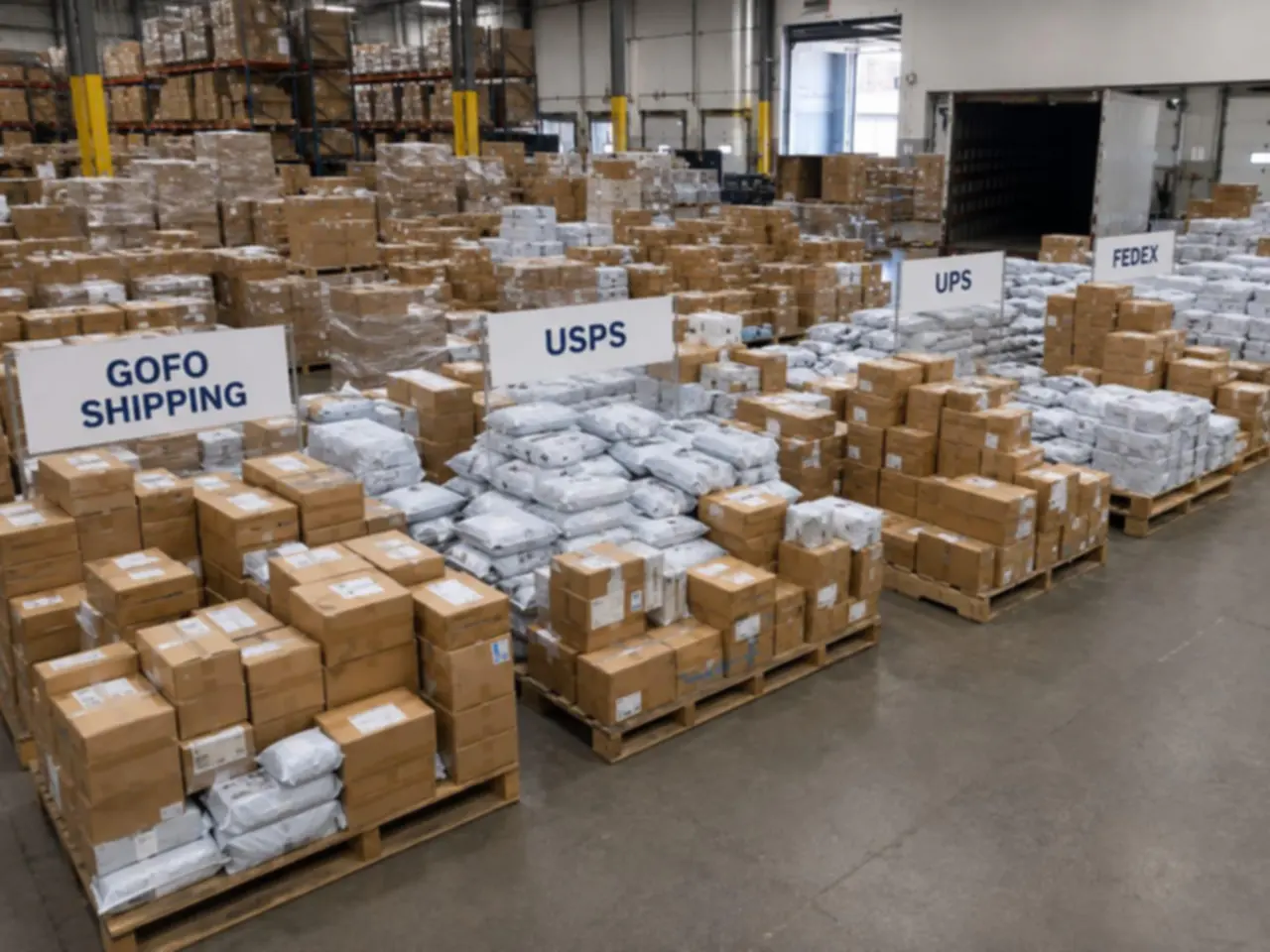
The operation processes approximately 1,000+ parcels per day, so pulling stored inventory and getting it out isn't a special event. Scheduled carrier pickups run Monday through Saturday with GOFO, UPS, USPS and FedEx.
We maintain up to $5 million in insurance coverage for qualifying warehouse operations. It's subject to policy terms, limits, exclusions and claim eligibility, and it isn't automatic, so confirm coverage for your goods before shipping.
And you can reach people. Phone, email or WhatsApp, Monday through Saturday, 10 AM to 4 PM Central. If you want to know whether pallet 14 is still sitting where it should, someone can check.
Small habits that keep storage bills low
Most of what makes warehouse storage in Chicago cheap or expensive happens before the truck leaves your supplier. A few things that genuinely help:
- Label every carton with the SKU on at least one side. Unlabeled cartons turn a $1 receive into hourly sorting.
- Keep one SKU per pallet when you can. Mixed pallets are slower to count and slower to pull from.
- Build pallets under 72 inches, square, and wrapped. A tidy pallet goes straight into a standard position.
- Send stock that will actually move in the next few months. The rest can stay with your supplier until you need it.
None of this is required, to be fair. We'll store what arrives. But sellers who do these four things tend to pay less for warehouse storage in Chicago than sellers who don't, every single month.
Chicago pallet storage from our Niles warehouse
For local sellers, Chicago pallet storage in Niles is close enough to drop off inventory or visit the floor. For everyone else, it's an inbound address reachable by parcel carriers and freight trucks from anywhere in the country. More on that on our Chicago 3PL page.
Storage is one piece of our storage and movement services. Rates for everything are on the pricing page.
A couple of things we can't store: chemicals or hazardous materials, canned soda, and anything illegal, counterfeit, leaking or unsafe. Liquids over 2 lb need prior written approval, and dietary supplements need U.S.-based sourcing documentation.